Shop
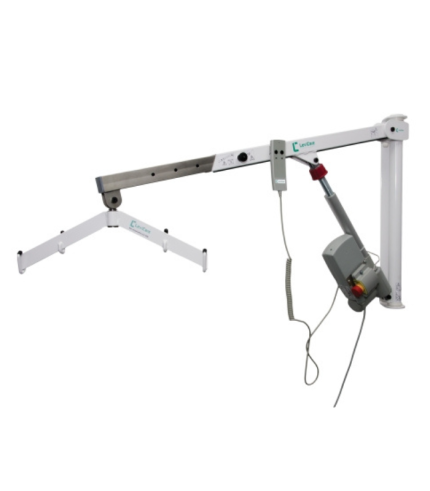
LeviCare Q140
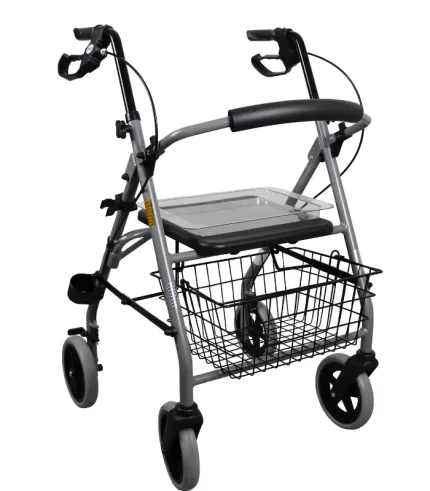
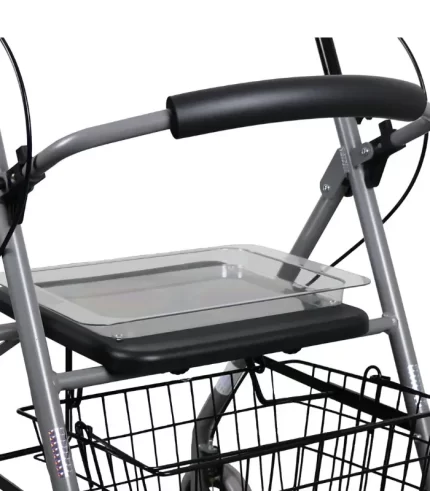
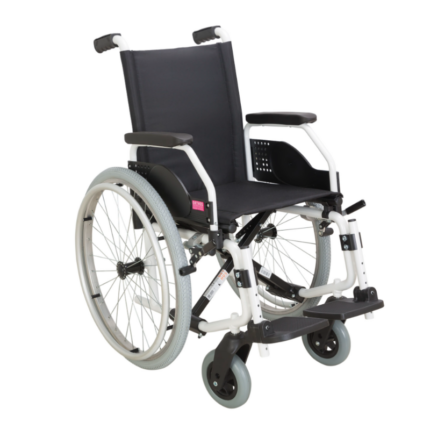
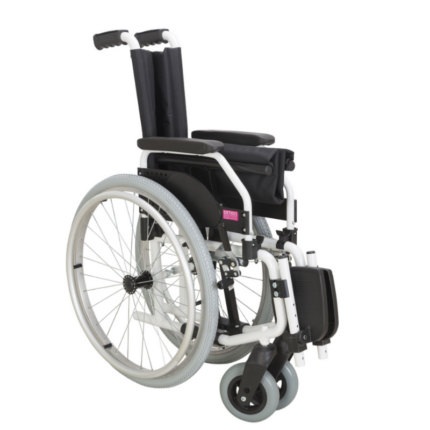
Liliput Light-Aluminum Pediatric Wheelchair
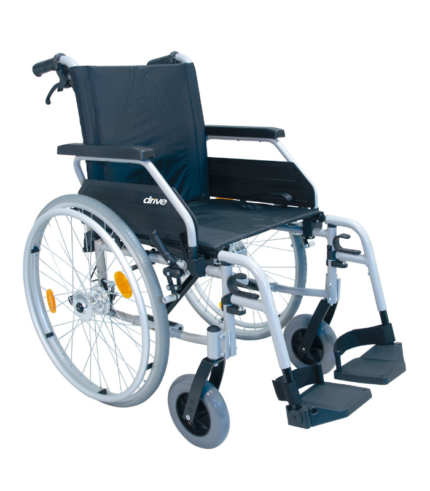
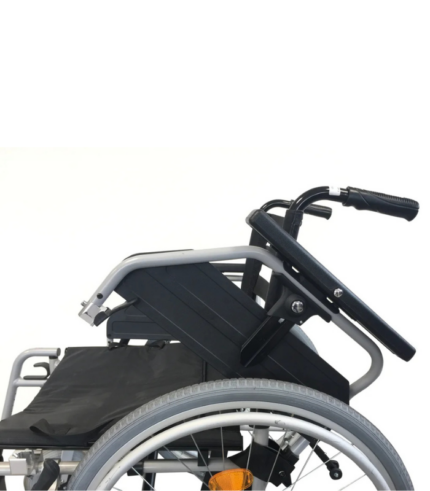
Litec 2G Lightweight Aluminium Wheelchairs 42cm, without drum brake
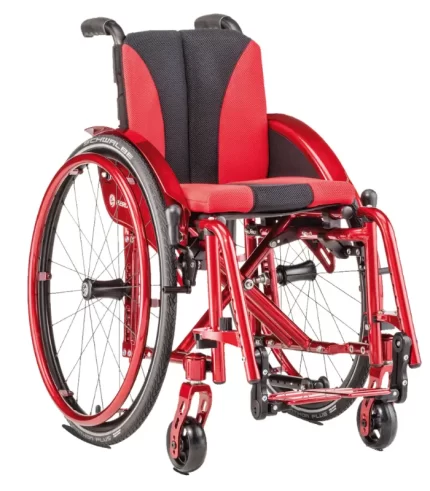
Little AR Lightweight Pediatric Wheelchair
The trendy design and easy handling make the Little a real newcomer among children’s wheelchairs. With its great freedom of movement, the Little enables active mobility for children. With its low weight, the Little adapts perfectly to the child. The new frame makes the wheelchair easy to manoeuvre and very stable.
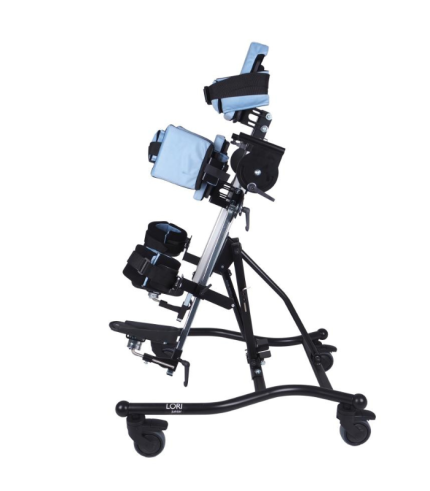
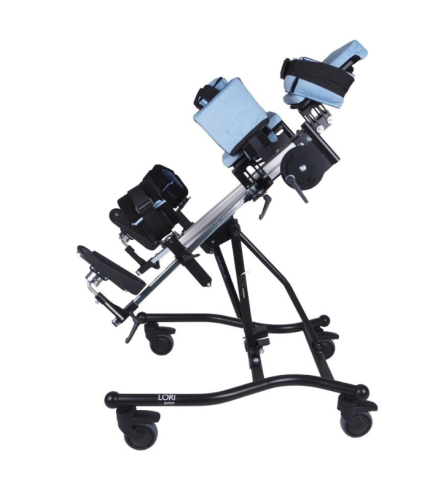
Lori
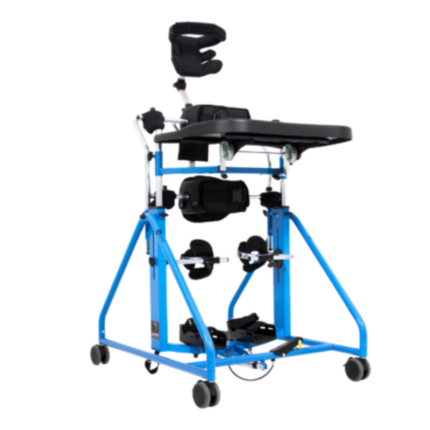
LORI Stander enables to verticalize the patient both in the front and rear facing position, as well as in the lying position. This device makes it possible to abduct the lower limbs in the standing position with angle measurement both for the left and the right leg. This function allows to adjust legs within the frontal plane in a way, which enables proper positioning of the femoral head in the socket. Thus we can achieve an abduction ensuring appropriate placement of the hip joint, and hence we can prevent hip dysplasia.
New adjustable base support to suit your needs - greater height range in one size.
The back support on a ball hinge makes it possible to perfectly correct the wrong position of the pelvis.
We have added a headrest for front standing upright and a large, black table with a bowl!
This device provides the possibility to adjust the verticalization angle from 90o to - 10o. Along with the function enabling to measure the hip joint abduction, the therapist receives a precise device to conduct a safe verticalization of the patient.
The standing frame is available in 2 sizes:
- Baby
- Junior

Luke Active Wheelchair Rigid Frame
Lunar Pro-Prone Standing Frame
ManuForce
Med Aire FlexWave Alternating Pressure System, 200x88x20cm
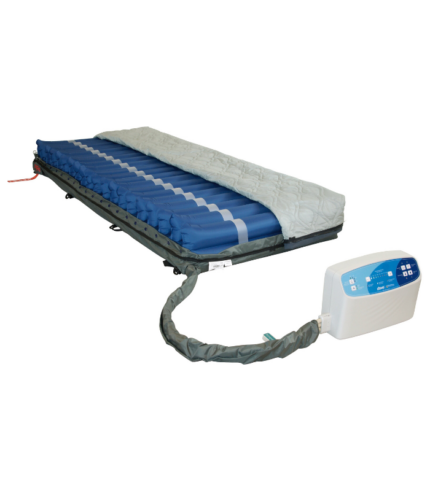
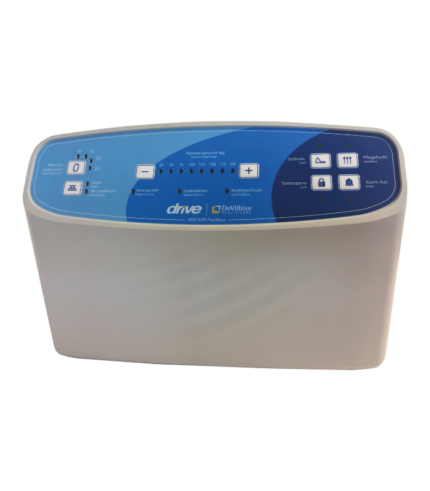
The mattress replacement system combines flexible user settings with maximum comfort. Approved for a user weight of 20 kg to 200 kg, the MED AIRE FlexWave alternating pressure system also offers variable cycle time settings and can be customised thanks to the nursing, sitting and static functions. The automatic cell pressure adjustment reacts to changes in the patient's position. The cell-on-cell design eliminates the need for a foam underlay.
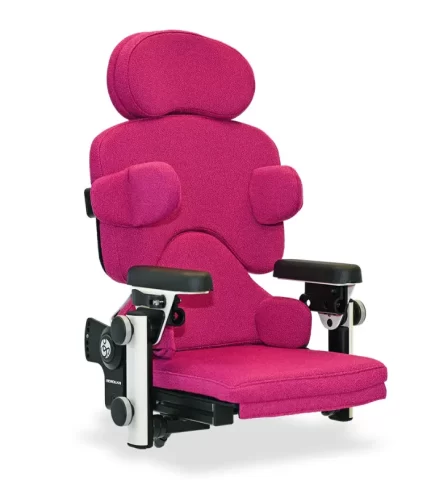
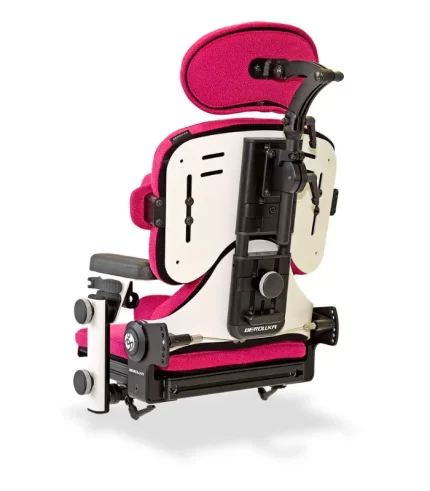
Mosa Modular Seating Application